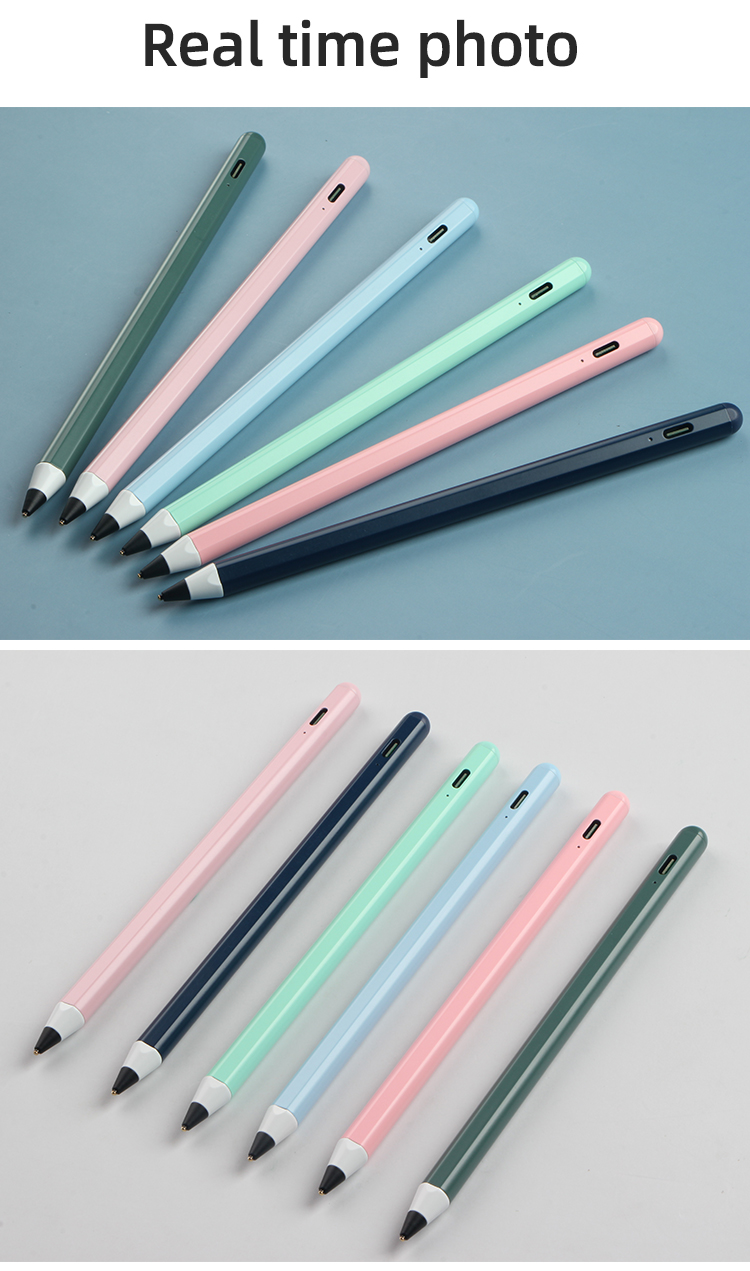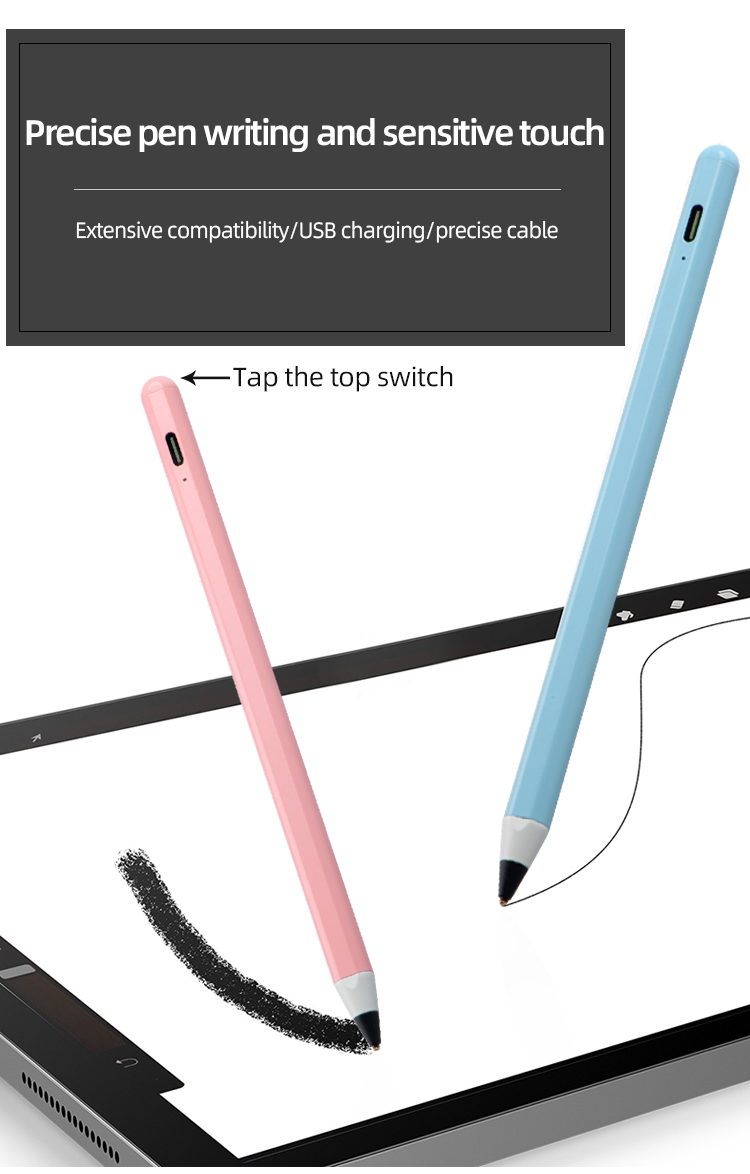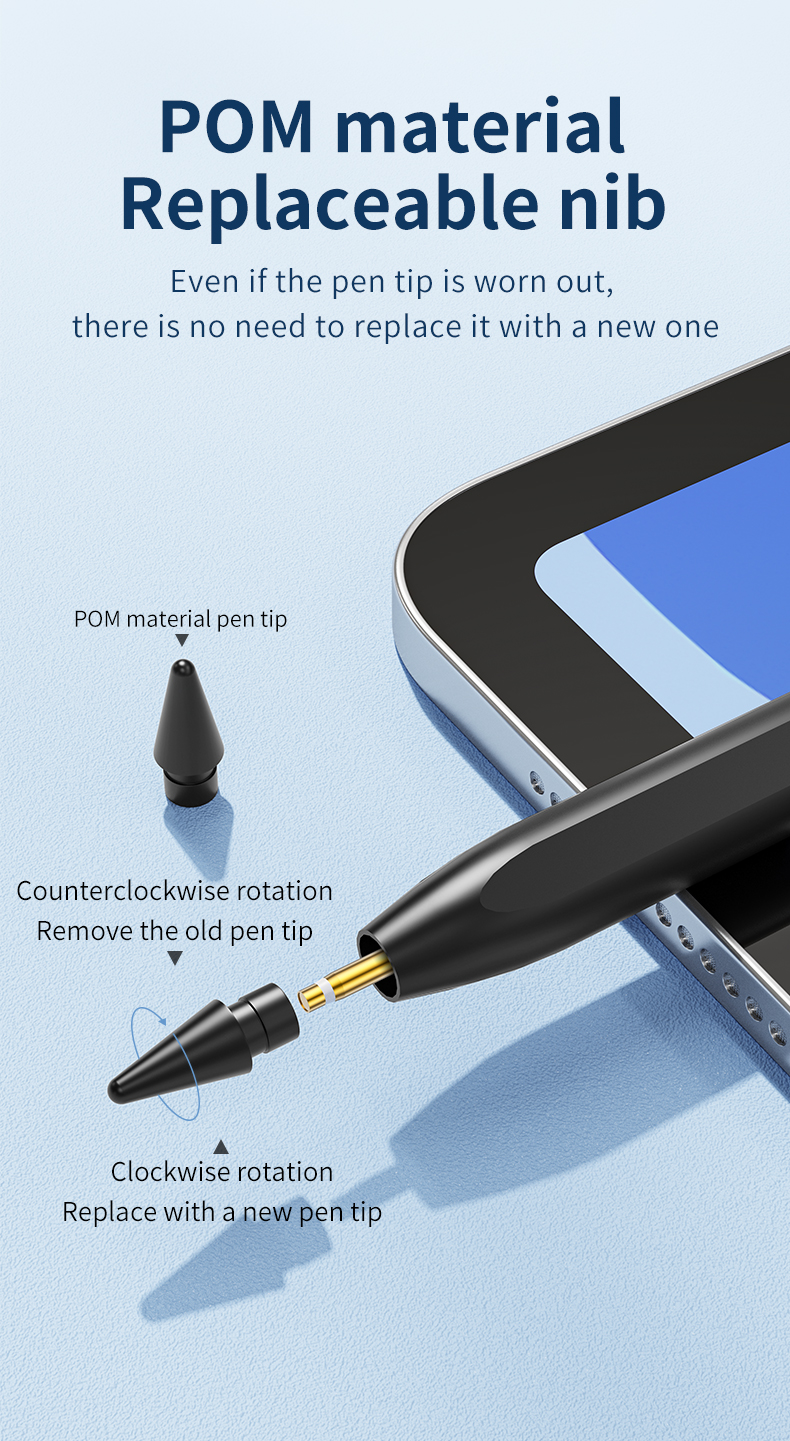
For beginners choosing a stylus: Capacitive pens are the better choice.
For beginners, capacitive pens are often more suitable than electromagnetic pens, primarily due to considerations such as technological compatibility, functional fulfillment, and cost-effectiveness.
In terms of technological compatibility, capacitive pens are naturally compatible with capacitive screen devices like tablets, requiring no special equipment support and offering a low learning curve. Electromagnetic pens, on the other hand, require an electromagnetic induction screen; for beginners with only a tablet, this additional investment is costly and inconvenient.
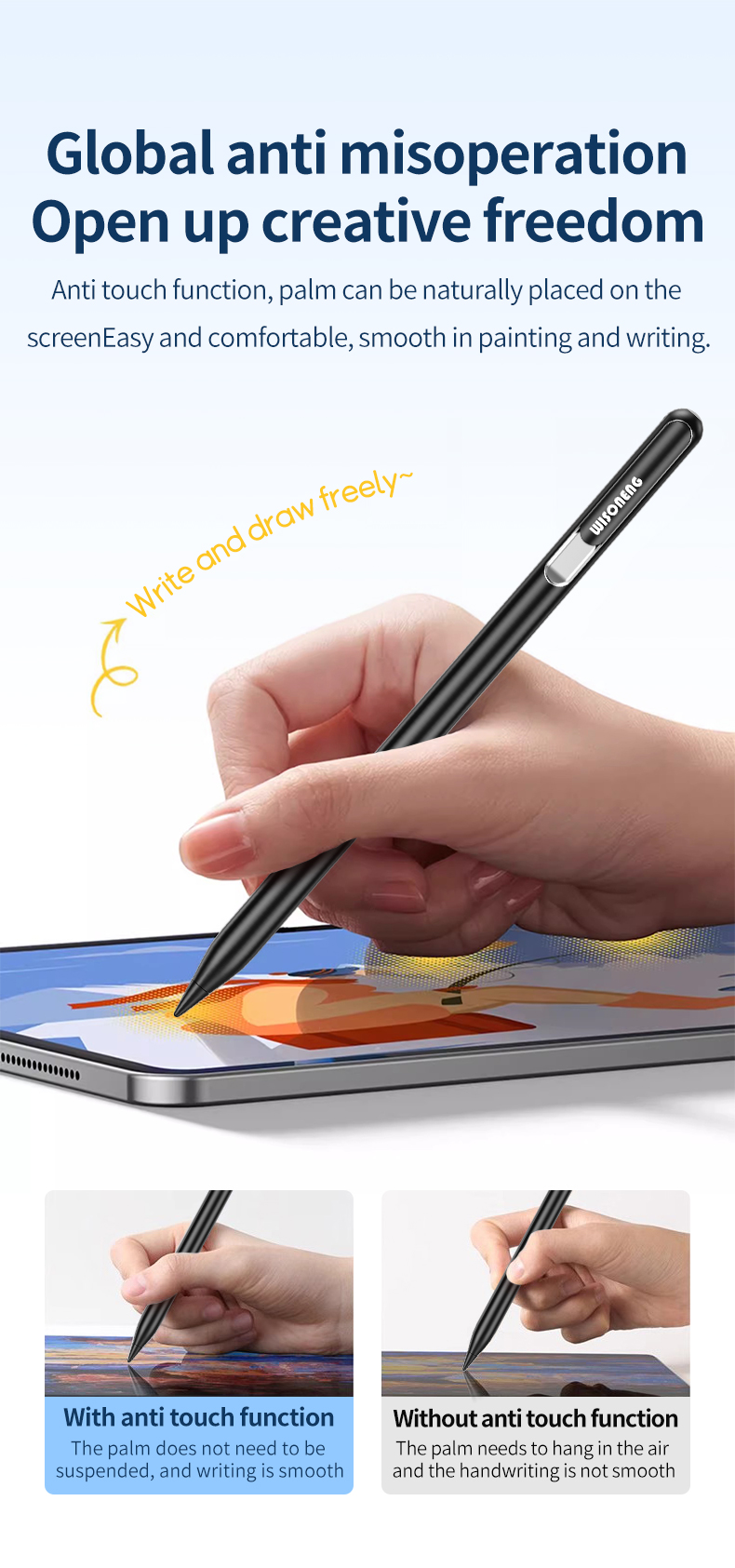
In terms of functional fulfillment, capacitive pens fully cover the core needs of beginners. They feature anti-mistouch functionality, allowing the palm to naturally rest on the screen during writing, avoiding fatigue from hovering the hand. Mainstream capacitive pens have undergone technological optimization, achieving low latency, stable writing paths, and fewer touch drops. They also support tilt pressure sensitivity, simulating realistic pen angles to meet the needs of note-taking and simple drawing. For common learning scenarios for beginners, such as note-taking and annotating courseware, the sensitivity and anti-mistouch functionality of capacitive pens are sufficient. In drawing scenarios, they can also help develop tactile feedback.
In terms of cost-effectiveness, capacitive styluses offer a clear advantage. Official capacitive styluses are relatively expensive, while affordable alternatives range from 100 to 300 yuan, representing only a fraction of the price of a regular tablet. These alternatives provide a similar experience to the official stylus in core functions, with lower trial-and-error costs. Beginners can test their needs first before deciding to upgrade, avoiding the risk of a large upfront investment. Therefore, for beginners choosing a stylus, a capacitive stylus is a better option.